
Apple Intelligence & AI in your iOS app
On-device AI is no longer a lab demo. Since iOS 18.4, Apple Intelligence is available in English. With iOS 26 and the Foundation Models framework, developers have access to a ~3 billion parameter language model running directly on the device — no API keys, no per-request costs, no internet connection required.
At AtalayaSoft we build intelligent features inside iOS apps: automatic summaries, content classification, conversational assistants, entity extraction and natural language-guided flows. With attention to what matters in production: native UX, reliability, user privacy and cost optimisation. And if part of that code was generated with AI assistants such as Copilot or Cursor, we can also audit your AI-written iOS code before it reaches production.

The mobile AI opportunity window
- Since iOS 18.4 (March 2025), Apple Intelligence is available in English, and with iOS 26 the Foundation Models framework opens Apple's on-device model to third-party apps.
- Apple's on-device model (~3 billion parameters) runs directly on the iPhone: no API keys, no per-request costs, and no internet connection.
- While demand for AI features explodes, the pool of native iOS developers with on-device AI experience is especially scarce. Finding profiles that combine deep native iOS with production LLM integration is not easy.
- Integrating on-device AI in your app now means shipping before your competition an experience that users already expect from their iPhones.


What we can build in your app
Features with Apple Foundation Models
Implementation of features using Apple's on-device model (~3B parameters): summaries, entity extraction, structured text generation, classification and tool calling. All with @Generable and @Guide macros for typed and predictable output.In-app conversational assistants
Design and implementation of conversational flows integrated into the app: support chatbots, navigation assistants, natural language search. With context management, fallbacks and native UX — not a WebView with a generic chatbot.Cloud LLM integration (Claude, GPT)
When the use case requires capabilities beyond the on-device model, we integrate LLM APIs such as Claude or GPT with robust error handling, intelligent caching, response streaming and per-request cost optimisation.Core ML and custom models
Integration of custom machine learning models via Core ML: image classification, object detection, sentiment analysis, recommendation models. Conversion from PyTorch/TensorFlow and optimisation for Apple Silicon.Privacy and local processing
Design of architectures that maximise on-device processing to comply with GDPR and user privacy expectations. Sensitive data never leaves the iPhone — AI runs where the data is. Designed with GDPR and EU AI Act in mind from day one.API cost optimisation
Strategies to reduce AI API costs: response caching, batch processing, on-device models for simple tasks and cloud APIs only for complex tasks. Hybrid architecture balancing capability and cost.Technical stack
Apple on-device AI
- Foundation Models (iOS 26)
- Apple Intelligence APIs
- Core ML
- Writing Tools
- Image Playground
- Visual Intelligence
Cloud LLMs
- Claude API (Anthropic)
- OpenAI API
- Response streaming
- Function calling / tool use
Machine Learning and custom models
- PyTorch → Core ML
- TensorFlow → Core ML
- ONNX
- Core ML Tools
How we approach an iOS AI project
We start not with the technology, but with the problem we want to solve for the user:
-
01. Use-case definition
We start not with the technology, but with the problem. What intelligent feature would bring real value to the user? Does it need on-device or cloud processing? What is the expected volume? What privacy constraints exist?
-
02. Functional prototype
We build a rapid prototype that demonstrates technical feasibility and user experience. This allows validating the concept before investing in the full implementation.
-
03. Production implementation
Development of the feature with robust architecture: error handling, timeouts, fallbacks, caching, monitoring and automated testing. AI in production needs the same engineering as any critical feature.
-
04. Optimisation and measurement
Monitoring of usage metrics, latency, API costs and user satisfaction. We iterate on prompts, model parameters and UX based on real data.
Companies we have worked with
Our experience in large-scale production iOS apps comes from working with enterprise teams such as Zara/Inditex, Banco Santander, AXA and Juegos ONCE. That technical foundation — clean architecture, testing, security and accessibility — is what we now apply to Apple Intelligence, Foundation Models and production LLM integrations.





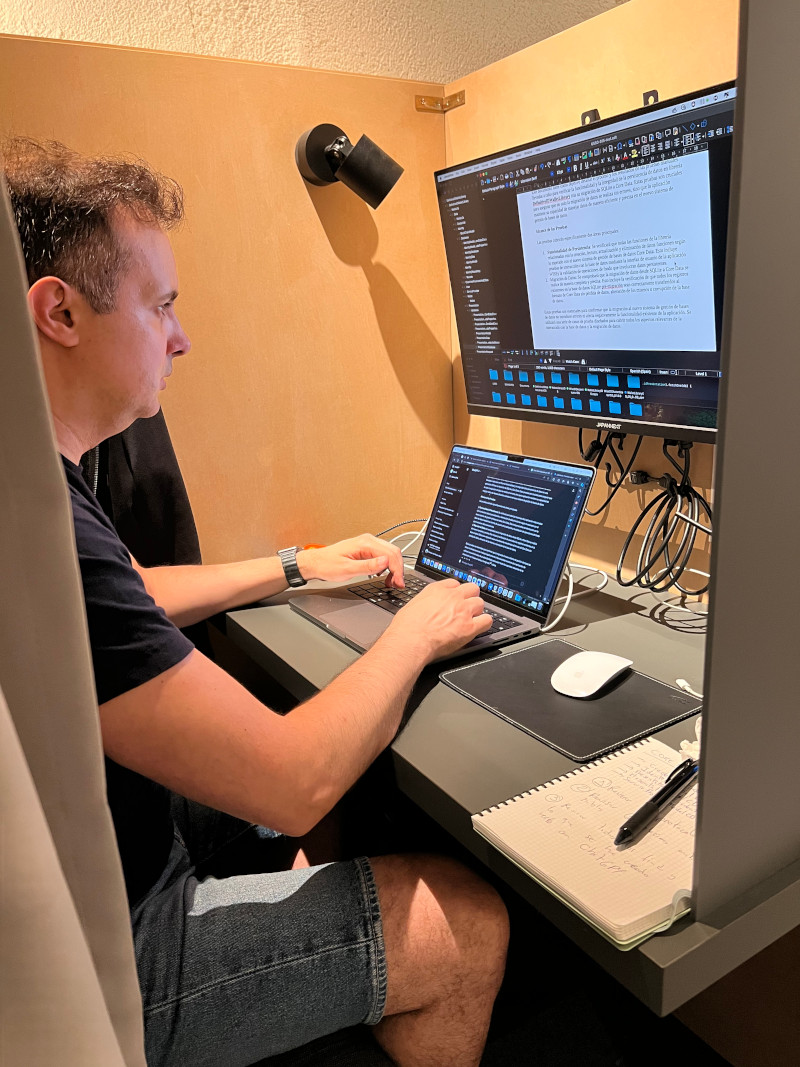
Ready to add AI to your iOS app?
Tell us about your use case and we will design the best technical solution together — no commitment.
Testimonials
“ I am very pleased to recommend Francisco for any position in software development, especially in the iOS field. I have been fortunate to work closely with him during his time on our development team and the various new connections we have had in the workplace, where he has proven to be an exceptional professional.
He distinguishes himself by his thoroughness and commitment to quality in every task he undertakes. His work is based on Clean Architecture and SOLID principles, which is reflected in the clarity, efficiency and maintainability of his code. These practices not only ensure the quality of the final product, but also facilitate collaboration within the team and the scalability of projects.
In addition to his technical skills, Francisco has a remarkable ability to communicate his ideas clearly and concisely. This has been particularly valuable in presenting solutions and defending his proposals, always with well-founded arguments based on industry best practices.
During his time in our team, he has proven to be an invaluable asset, not only for his talent and knowledge, but also for his positive attitude and willingness to help his colleagues. His ability to lead and collaborate has contributed significantly to the success of our projects.
In summary, I consider Francisco to be an outstanding professional who will bring value to any organisation lucky enough to have him. I am sure he will continue to be a positive influence and a driver of innovation in his next job challenge. ”

“ It is a pleasure to recommend Fran, who is a key member of the team at B-FY, serving as the lead for iOS development in Biocryptology. He is responsible for app programming and security libraries, showcasing profound technical knowledge and an admirable ability to deliver results of the highest quality.
He stands out for his diligence and responsibility, consistently meeting established deadlines. His work, both in implementing new features and enhancing security, is always aligned with the product goals and meticulously planned, enabling him to meet sprint objectives without fail.
When the iOS team expanded within the company, Fran took on the challenge of coordinating the team, leading both functional development and code migrations to Swift. His leadership has been crucial in maintaining the quality and cohesion of the product during a period of significant technological change. He consistently demonstrates a proactive and problem-solving attitude, offering innovative solutions and ensuring the team achieves collective success.
His work is impeccable, and his commitment to excellence is evident in every project. Beyond his technical skills, his approach fosters a collaborative and respectful team environment. I am confident that his analytical ability, meticulousness, and team leadership skills are a valuable asset to any company he chooses to join. ”

“ Francisco is a great professional, and this is evident in his more than 11 years of experience in the internet sector.
This extensive experience, along with his continuous desire for learning and training, makes Francisco a highly qualified professional for software development and the internet sector. The work with multiple technologies that he has done over all these years of experience broadens the range of challenges that Francisco can successfully tackle.
Additionally, on a human level, Francisco has an open character, is capable of delegating and sharing, skills that make him very capable of working in a team. Another remarkable aspect of Francisco is his initiative in sharing knowledge and learning from others, which fosters the learning of the entire group.
During the almost three years I worked with Francisco, he was a true reference for me, as well as the person who introduced me to the sector and trained me during that time. ”

“ I have been working with Fran as an Acilia resource for a couple of years, and his best qualities are his proactivity, his interest in continuous learning and staying up-to-date with web and app technologies, and his ability to work in a team, collaborating with various profiles to carry out developments. ”

“ Francisco José is a great professional and very hardworking with high motivation and a positive spirit. I appreciate that he is very calm and creates a good atmosphere within the team. ”

“ Fran is a well-trained and experienced worker, always learning new things. Very methodical in everything he does and with very clear ideas. Always willing to share his knowledge with the group. And as a person, he is an excellent guy! ”

“ Fran is a highly experienced professional who is not only contributing to our iOS app development but also to many other key areas essential for the growth of a start-up. ”
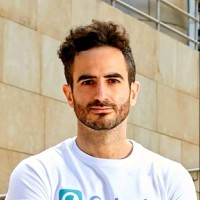
“ Francisco José is highly skilled in iOS development, and it’s evident that he is truly passionate about it. He has all the necessary hardware resources and is well-versed in agile methodologies. In our case, we worked with Trello and Excel. Communication with him is seamless, which makes it easy to resolve any questions that arise during development. I would definitely recommend him. ”

Xabier Moraza Larreta
Project Engineer | ALCAD Electronics“ An example of order, seriousness, and immense love for his work. Factors that not only affect his productivity and performance but also translate into a close relationship with his colleagues, being attentive and willing to listen, debate, teach, share… undoubtedly, his desire to progress will take him wherever he wants. ”

“ When Dandan joined our team the first thing that attracted me was her curiosity for learning. She was ready to learn eagerly from everyone, from everything. And she made it, very fast. Her progress not only on Digital Marketing but learning Spanish and English was fascinating and motivating. She is passionate about what she does, but also she is open and always willing to help and to develop others work. ”

“ Dandan is one of the most capable programmers I’ve had the pleasure of working with. She never backs down from a challenge and tackles it head-on until it’s resolved and completed. She is always looking for the best way to do things. Additionally, she is a sponge for knowledge and an incredibly well-rounded individual, not only as a programmer but also possessing a set of qualities that are hard to find, which enable her to be a natural manager and leader when needed. ”

“ I have worked with Dandan for more than a year, and she has never ceased to amaze me with her professionalism, dedication, and being an excellent colleague—very friendly, cheerful, and polite. She is always willing to help, responsible, and very hardworking. I highly recommend her. ”


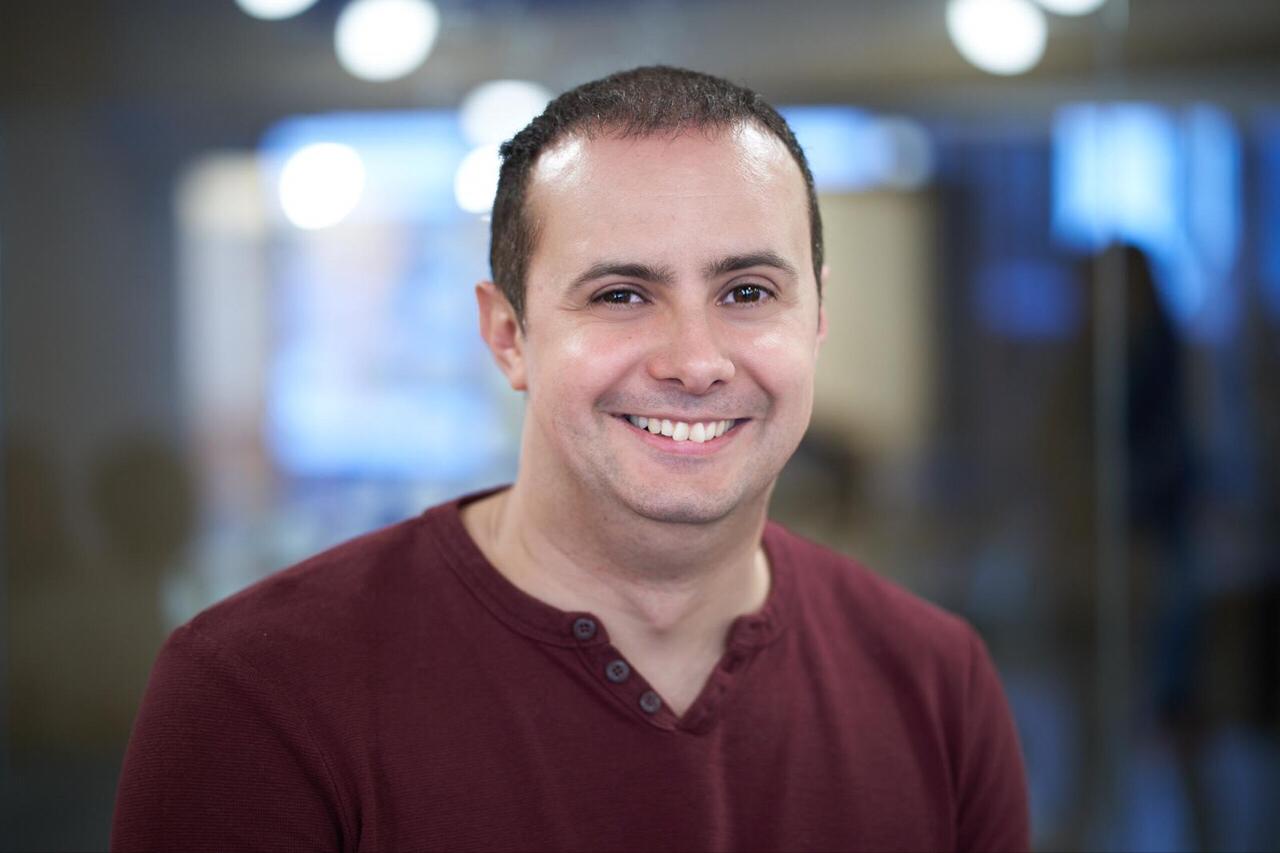
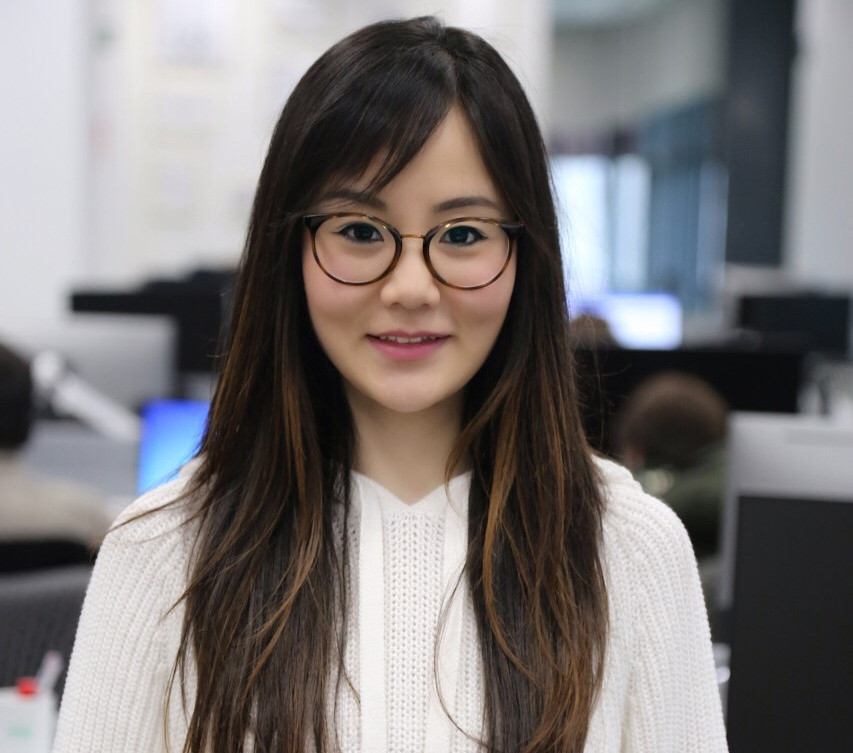
The team working on your project
Go deeper into Apple Intelligence
Francisco José García Navarro has published detailed technical analyses on Apple's on-device AI announcements:
Frequently asked questions about AI in iOS
Ready to add on-device AI to your iOS app?
Let's talk about your iOS challenge
Book 30 minutes with Francisco José García Navarro, Senior iOS Architect, to review your project. No obligation.
Book a consultation